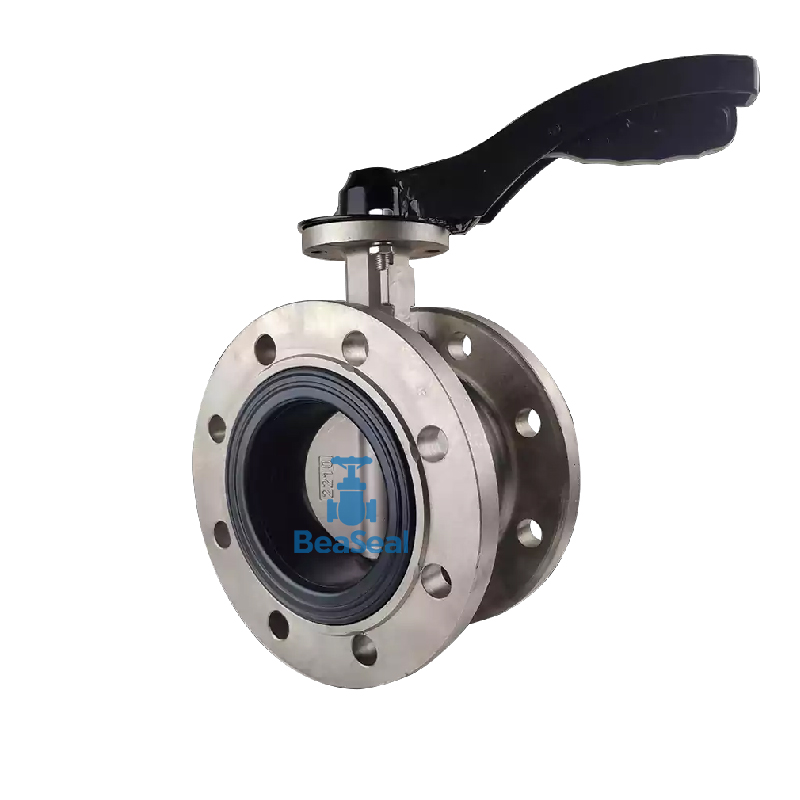
| Category | Description |
|---|---|
| Name | PTFE Lined / Seated Butterfly Valve (or Teflon® Butterfly Valve) |
| Basic Function | To provide reliable on/off isolation or modulation of highly corrosive, abrasive, or ultra-pure fluids. |
| Working Principle | Operates on the standard butterfly valve principle: a disc rotates a quarter-turn (90°) on a shaft to open or close the flow. The key differentiator is the PTFE (Polytetrafluoroethylene) lining and seating. 1. The valve body interior is fully lined with a thick layer of PTFE, protecting it from the process fluid. 2. The disc is encapsulated or coated with PTFE. 3. A PTFE seat ensures a tight seal against the encapsulated disc, creating a complete barrier of inert material. |
| Flow Direction | Typically bi-directional. However, for optimal sealing performance and seat life, the designated upstream direction should be followed, especially in dead-end service. |
| Key Features | Advantages: • Exceptional Corrosion Resistance: PTFE is inert to almost all industrial chemicals, making the valve suitable for aggressive acids, bases, and solvents. • High Purity & Non-Stick: Prevents product contamination and material buildup, ideal for food, pharmaceutical, and semiconductor applications. • Excellent Sealing: Provides bubble-tight shut-off. • Low Maintenance: The PTFE surface is self-lubricating and resistant to fouling. • Wide Temperature Range: Suitable for services from cryogenic temperatures up to approx. 200°C (392°F), depending on the PTFE grade. Disadvantages: • Limited Mechanical Strength: PTFE is soft and can be susceptible to mechanical damage (scratching, extrusion) under high shear or abrasive particles. • Cold Flow: PTFE can deform under continuous heavy load, potentially affecting long-term seal integrity. • Not for High-Pressure: Generally limited to low-pressure applications (e.g., PN10/PN16/150#). |
| Primary Applications | • Chemical Processing: Handling aggressive acids (e.g., sulfuric, hydrochloric) and caustics. • Pharmaceutical & Bio-Tech: In CIP/SIP systems where purity and cleanability are critical. • Semiconductor Manufacturing: For ultra-pure water and high-purity chemical distribution. • Water & Wastewater Treatment: Dosing lines for chlorine, ferric chloride, and other treatment chemicals. • Pulp & Paper Industry: Bleaching and chemical recovery sections. |
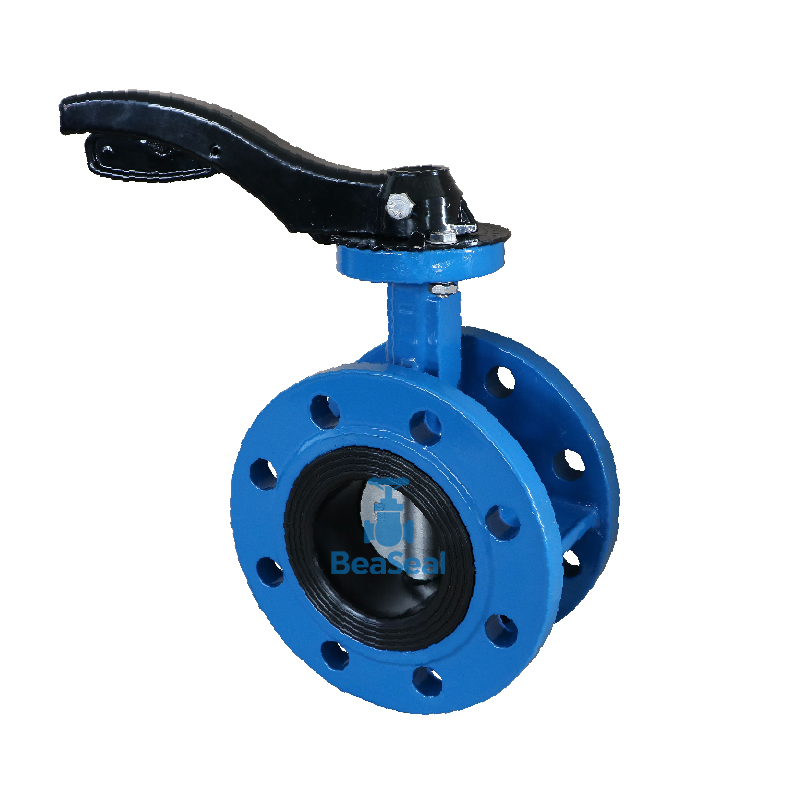
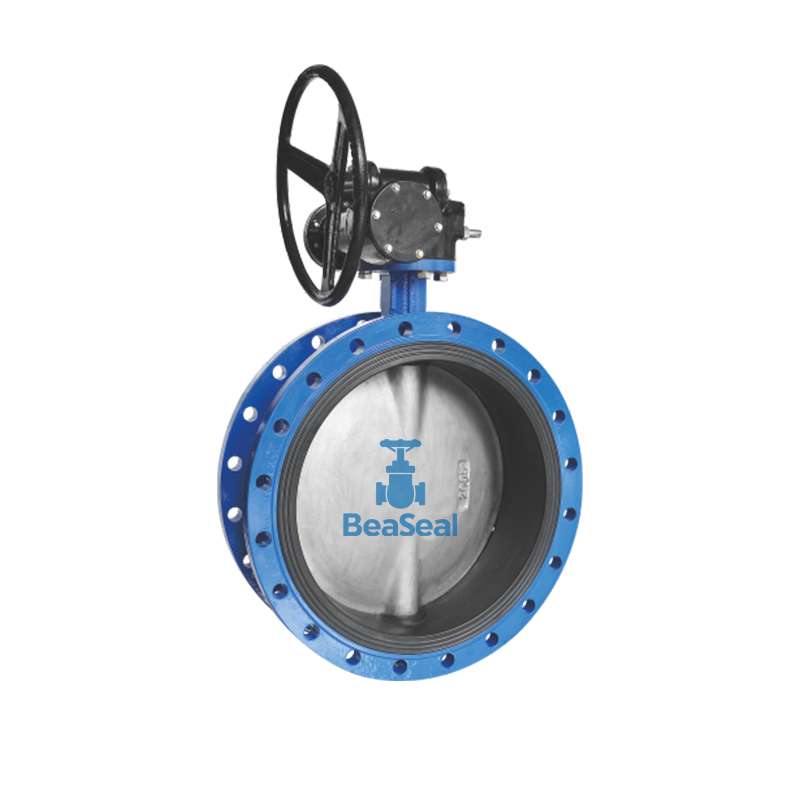
| Common Types / Designs | • Wafer Style PTFE Butterfly Valve: Most common, sandwiched between pipe flanges. • Lug Style PTFE Butterfly Valve: Has threaded inserts (lugs) allowing it to be bolted to a single flange for dead-end service. • Lined Actuated Butterfly Valve: Equipped with pneumatic or electric actuators for automated control. • PTFE PFA Lined Valves: Uses a Perfluoroalkoxy (PFA) liner, which has similar chemical resistance but better mechanical properties at high temperatures. |
| Typical Standards | ISO 16136, ASME B16.34, FDA CFR 21 (for food and pharmaceutical contact) |
Delivery is prompt!
By 10-year industry experts!
Diverse payment methods available!
Unbeatable cost performance!